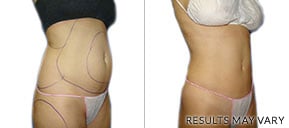
In conversations about body transformation, liposuction and weight loss are often mentioned in the same breath. While both can change the way a person looks and feels, they serve very different purposes and work in fundamentally different ways. Understanding the distinction between liposuction and weight loss is essential for setting realistic expectations and choosing the approach that best supports your health and goals.
What Is Weight Loss?
Weight loss refers to a reduction in overall body weight, typically achieved through changes in nutrition, physical activity, behavior, and sometimes medical intervention. When you lose weight, your body reduces fat stores throughout the body, and in some cases, lean mass as well. This process affects total body composition and is closely tied to metabolic health.
Sustainable weight loss is associated with numerous health benefits, including improved blood sugar control, lower blood pressure, reduced cholesterol levels, and decreased risk of chronic conditions such as type 2 diabetes and heart disease. For many people, weight loss is also essential for improving mobility, energy levels, and overall quality of life.
Importantly, weight loss is a systemic process. You cannot choose where the body loses fat first; genetics, hormones, and physiology largely determine fat distribution. This is why some areas (such as the abdomen, hips, or thighs) may be more resistant to change, even with consistent effort.
What Is Liposuction?
Liposuction is a cosmetic surgical procedure designed to remove localized pockets of subcutaneous fat. It is not intended to address overall body weight or improve metabolic health. Instead, liposuction targets specific areas where fat tends to persist despite healthy eating and regular exercise.
Common treatment areas include the chin, abdomen, flanks, thighs, arms, and back. During the procedure, fat cells are physically removed through a cannula, permanently reducing the number of fat cells in that area. Because the procedure focuses on contouring rather than weight reduction, the number on the scale often changes very little after liposuction.
Liposuction is best suited for individuals who are near their goal weight, have relatively stable weight, and are looking to refine body shape rather than lose significant weight.
Key Differences Between Liposuction and Weight Loss
The most important distinction is purpose. Weight loss is about improving health and reducing total body fat, while liposuction is about reshaping specific areas of the body.
Another critical difference is how results are achieved and maintained. Weight loss requires ongoing lifestyle changes. Nutrition, physical activity, sleep, stress management, and in some cases medications all play a role. Liposuction, on the other hand, produces immediate physical changes, but maintaining those results still depends on healthy habits. If significant weight is gained after liposuction, remaining fat cells can enlarge, and fat may accumulate in untreated areas.
There is also a difference in health impact. Weight loss, especially when medically supervised, can improve or resolve many obesity-related conditions. Liposuction does not treat obesity, does not improve metabolic markers, and should not be viewed as a health intervention.
Common Misconceptions
One of the most persistent myths is that liposuction is a shortcut to weight loss. In reality, removing a few liters of fat does not equate to meaningful or lasting weight reduction. Another misconception is that liposuction prevents future weight gain. While fat cells removed during the procedure do not grow back, the body can still store excess energy in remaining fat cells.
Similarly, some people assume that if they are struggling to lose weight, liposuction may be a solution. For individuals with significant excess weight, liposuction is generally not appropriate and may carry increased risk without delivering the desired outcome.
Which Option Is Right for You?
The answer depends on your goals. If your priority is improving health, reducing disease risk, increasing energy, and achieving long-term change, weight loss through a structured, supportive, and medically informed approach is the appropriate path.
If you are already near a healthy weight, live an active lifestyle, and are frustrated by small areas of stubborn fat that do not respond to diet and exercise, liposuction may be a appropriate option.
In many cases, weight loss should come first. Once a stable weight is achieved and maintained, body contouring procedures can be considered as a complementary step (not a substitute).
The Bottom Line
Liposuction and weight loss are not interchangeable. Weight loss is a comprehensive, health-focused process that affects the entire body, while liposuction is a targeted cosmetic procedure designed to refine shape. Understanding this distinction helps prevent disappointment and supports better decision-making.
The most successful outcomes both aesthetically and medically, come from aligning expectations with the right tool and prioritizing sustainable, health-centered strategies above all else.